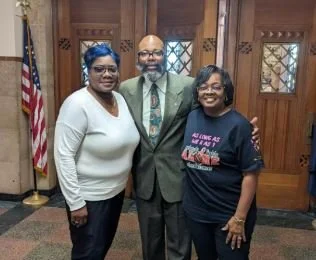
Laying the Groundwork for Equitable Evaluation

Effective, Equitable Evaluation
We create space for evaluations to be more effective and more equitable when we craft them in concert with the program design.
One of the greatest misconceptions about evaluation is that it is a process you undertake at the end of your program cycle. While budgetary constraints and competing priorities often render evaluation an afterthought that funders only consider come time to determine program renewals, we should strive to make this the exception rather than the rule. We create space for evaluations to be more effective and more equitable when we craft them in concert with the program design. Whether you’re crafting a new program or thinking about evaluating the effectiveness of a pre-existing one, here are a few ways you can begin creating a more equitable evaluation process:
Setting the Evaluation Agenda
The criteria used to determine the success of a program is often derived from a top-down process, driven by the ideas of funders and program administrators. Communities impacted by the program should be at the design table, co-creating the evaluation agenda, levering their knowledge and lived experience to help funders understand what success in their context looks like.
Knowledge Production
Quantitative data is a piece of a program’s story, but it cannot provide a holistic explanation of the challenges, successes, and potential for a program’s growth. While evaluators facilitate a process to help tell the story of a program’s effectiveness, program participants and implementers possess the unique knowledge needed to craft that story. Instead of requiring purely extractive data collection processes, program participants, administrators, and evaluators can work together to determine what information is valuable to assess and how the assessment can be used to benefit participants as well as funders.
Disseminating Information
Once you’ve completed your evaluation and produced your report, you need to share the findings with the communities that helped make the work possible—both internal and external stakeholders. Don’t just send the report over email either. Take the time to discuss key findings with everyone involved and gather feedback from participants about their experience with the evaluation process.
Taking Accountability
After the evaluation findings have been shared, take some time to reflect on what the organization can commit to doing with the results. Program participants, program administrators and program funders might have differing opinions on which steps to act on first, but don’t let the time and resources poured into the process go to waste by not crafting a strategic timeline on how the evaluation recommendations will be used to improve the program.

LifeSpring Milestone
We're excited to announce that LifeSpring Consulting is now part of the Alliance Vendor Program by the African American Alliance of CDFI CEOs!
Providing expertise in research and evaluation, we are committed to ensuring that Alliance members are equipped to serve underserved communities more effectively and sustainably. Follow the link below to discover how The Alliance is empowering Black-led CDFIs nationwide.
Together, we are working to build wealth and economic opportunity.
Client Spotlight
Public Narrative
We are thrilled to spotlight Public Narrative as a returning client!
Project Spotlight
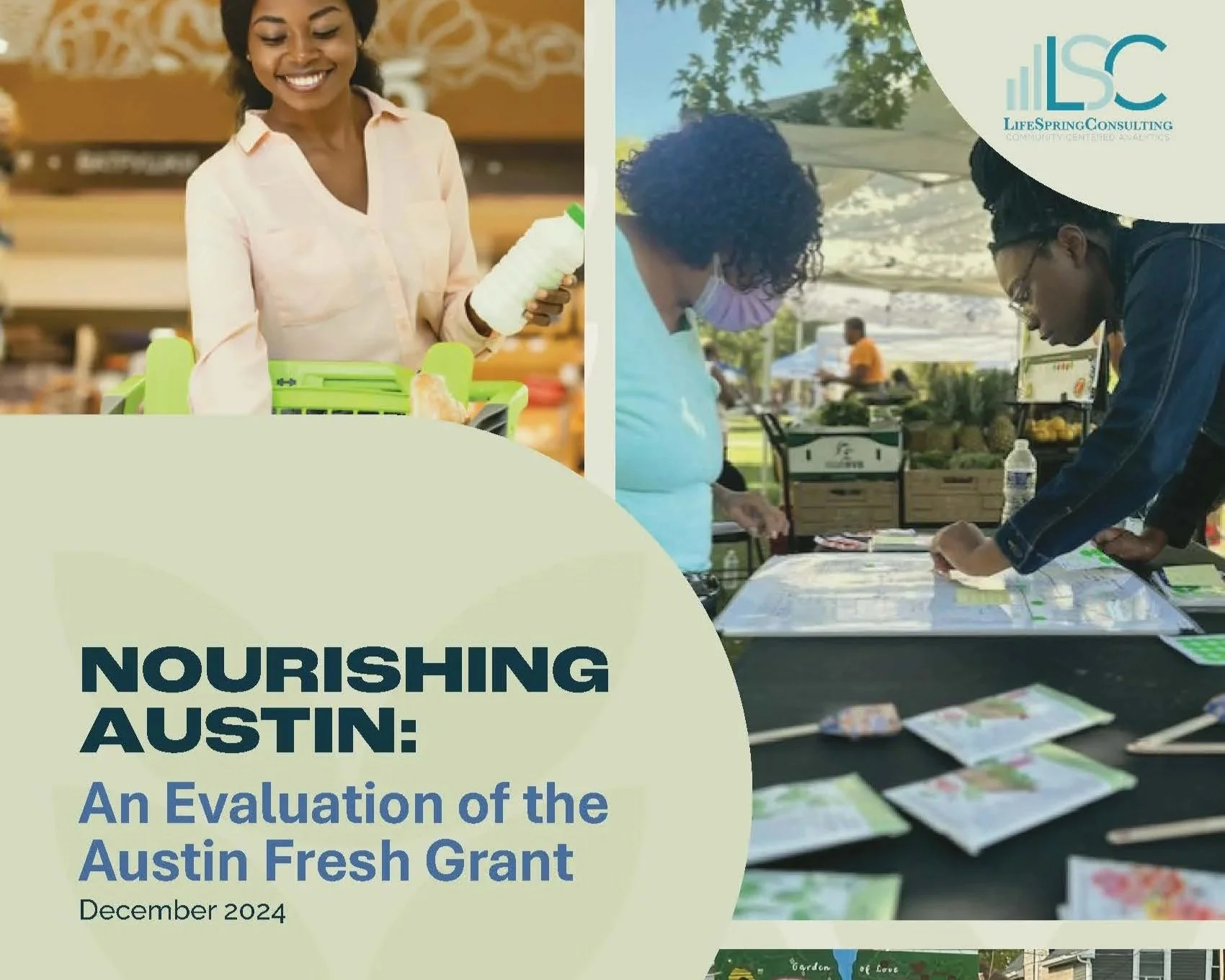
Nourishing Austin
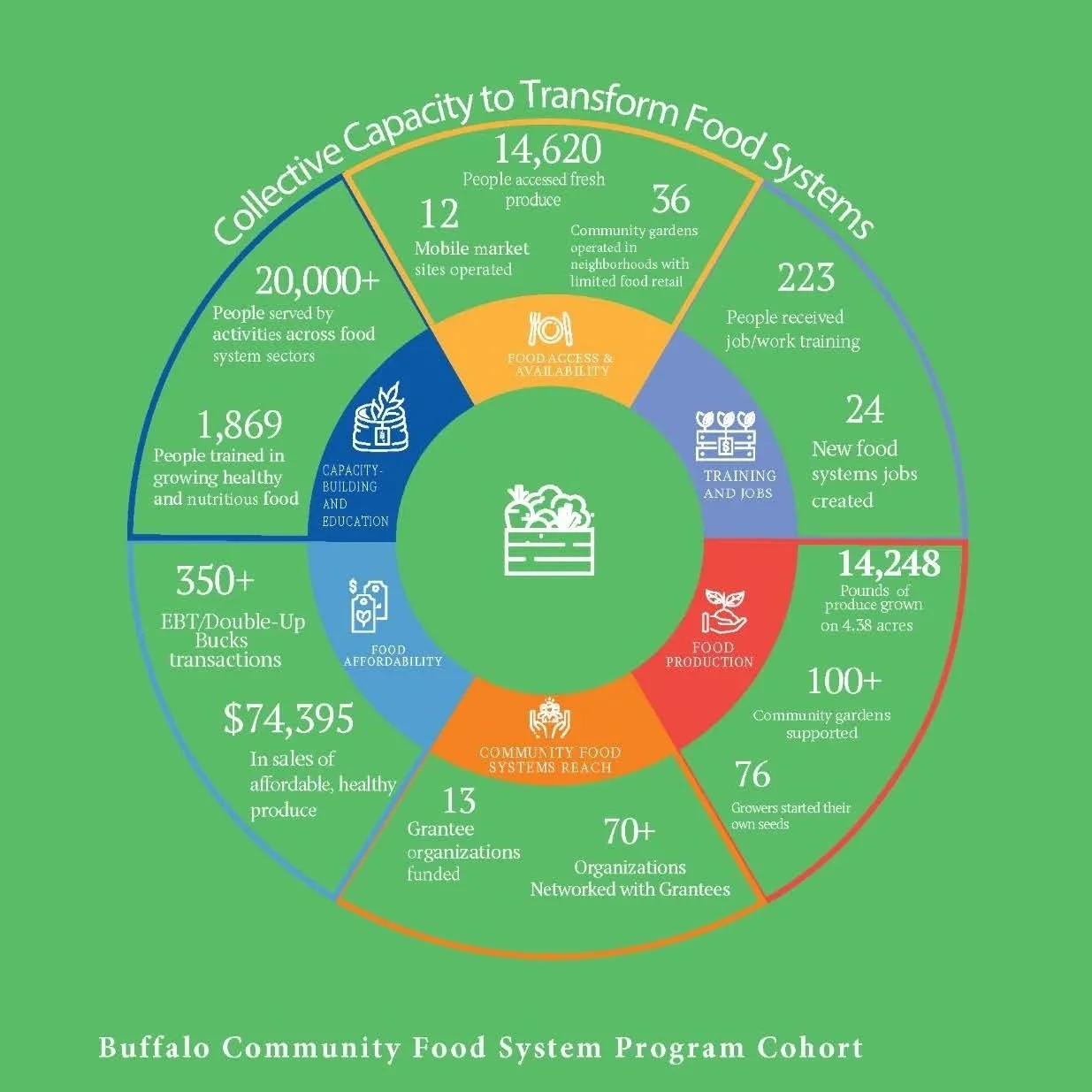
The Austin Fresh report is now live! Check it out below.
More LifeSpring News